%201.svg)
Ultimate Guide to FinOps for QA Teams

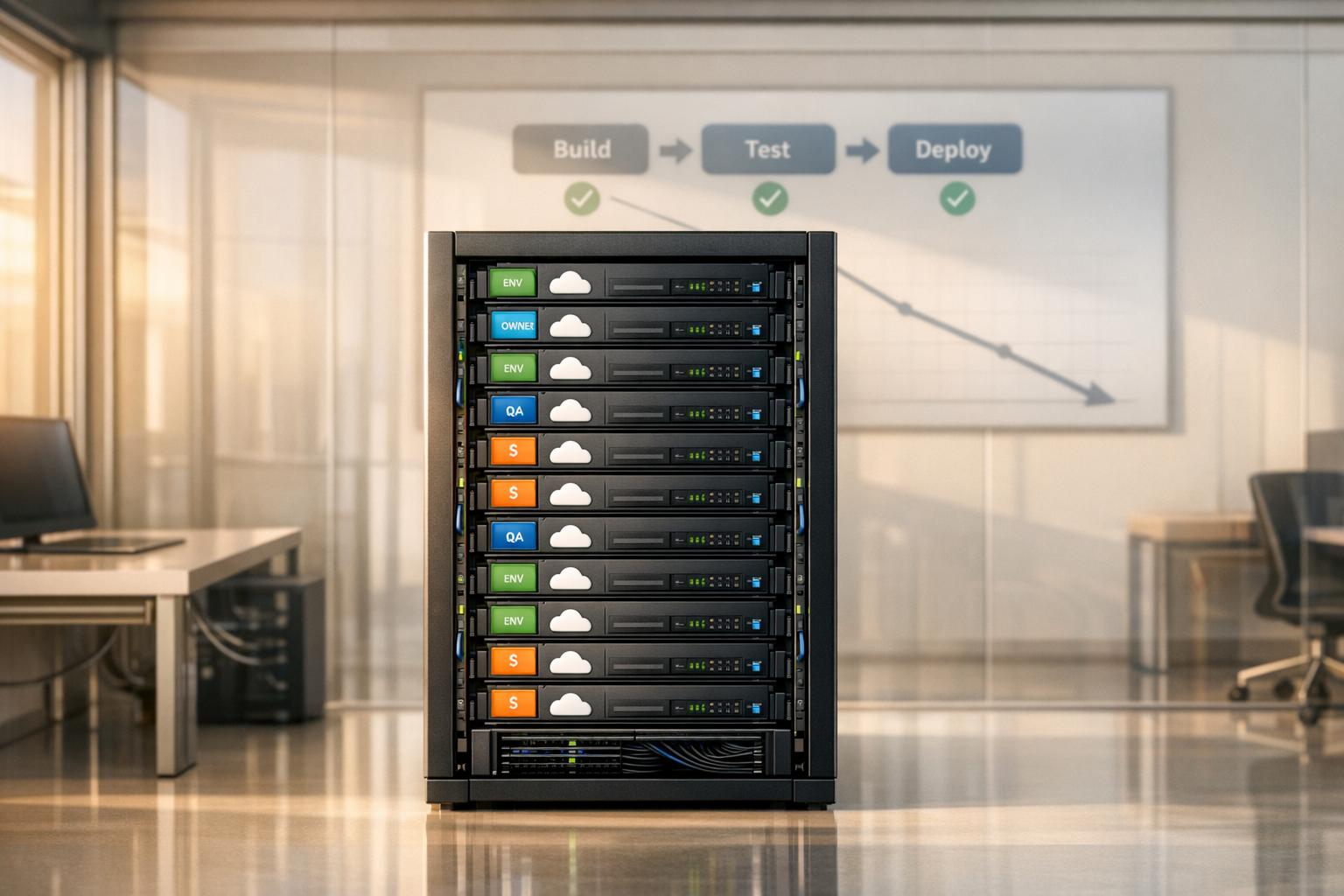
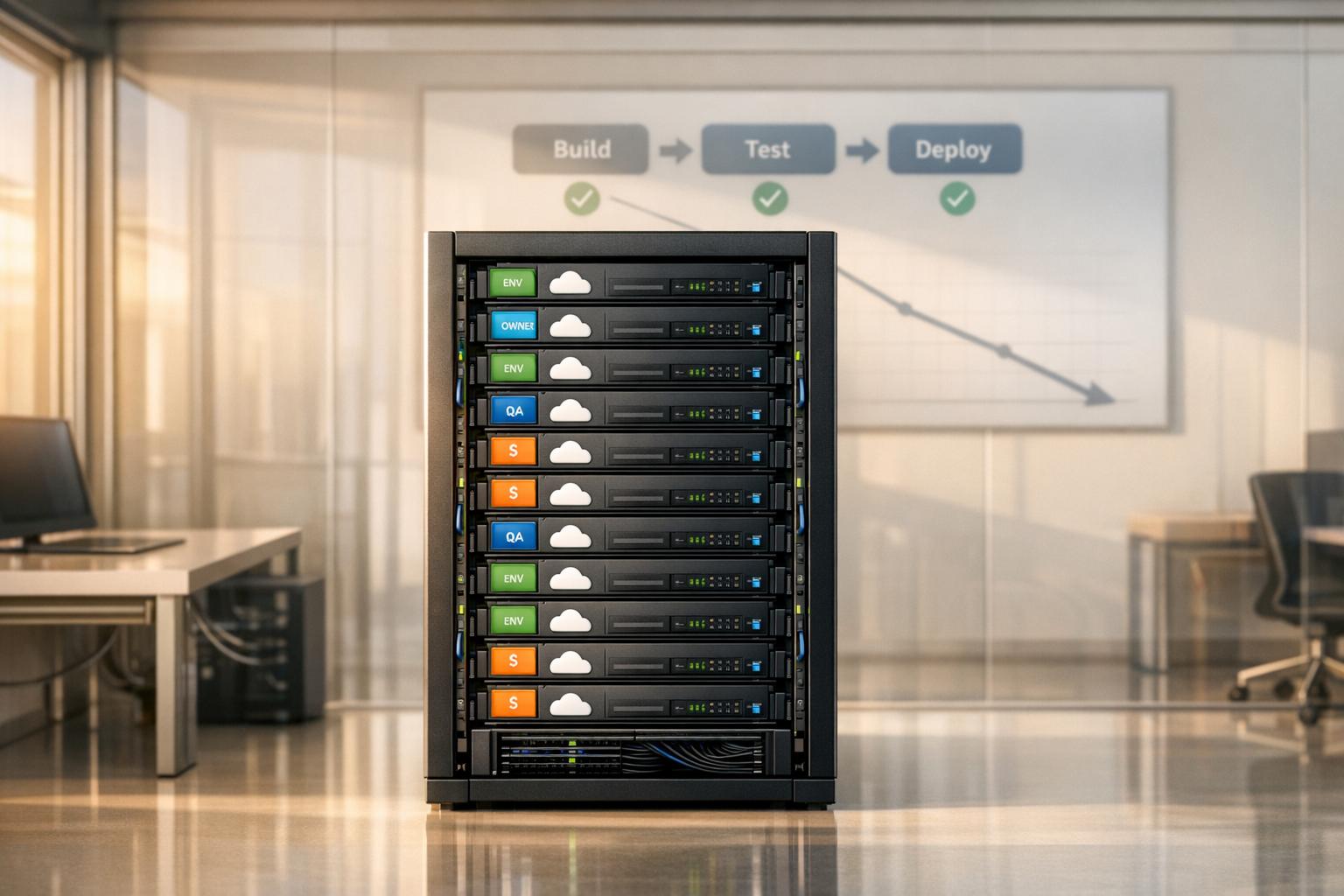
Cloud costs are soaring, with spending projected to exceed $1 trillion in 2026. QA teams, often managing expensive test environments, need a better approach to control these costs. Enter FinOps: a framework combining finance, engineering, and QA to manage cloud expenses effectively.
Here’s how FinOps helps QA teams:
- Visibility into Costs: Track expenses with tagging and real-time dashboards.
- Optimize Resources: Automate shutdowns, use Spot Instances, and rightsize test environments to cut waste.
- Embed Accountability: Make QA teams responsible for cloud usage, ensuring smarter decisions.
Adopting FinOps can reduce cloud costs by 10–25% in just 90 days. Simple strategies like automating off-hour environment shutdowns can slash non-production expenses by up to 70%. Boeing, for instance, saved $958,250 annually by optimizing their QA environments.
This guide dives into actionable tips, tools, and strategies to help QA teams align quality assurance with cost efficiency.

FinOps Cost Savings and Impact Statistics for QA Teams
Implementing FinOps: Practical Solutions for Cloud Cost Efficiency
sbb-itb-7ae2cb2
FinOps Principles for QA Teams
The FinOps framework reshapes how QA teams handle cloud spending. It introduces practical changes in decision-making, collaboration, and accountability for infrastructure costs.
Collaboration Between Engineering, QA, and Finance
FinOps emphasizes teamwork by breaking down silos between departments. QA teams can't tackle cost optimization alone - they need input from Finance for budget insights and Engineering for architectural decisions. As the FinOps Foundation explains, this approach fosters "financial accountability through collaboration between engineering, finance, and business teams".
Regular FinOps meetings - monthly or bi-weekly - help align these groups. These sessions review spending versus forecasts, check resource utilization, and flag unusual trends. Shared QA metrics like "cost per test run" or "cost per feature delivered" provide a common language for collaboration.
"FinOps is not about saving money. FinOps is about making money. Cloud spending can drive more revenue, signal customer base growth, enable more product and feature release speed..."
– Ramiro Alvarez Fernandez, Empathy.co
This process also encourages a blame-free culture. For instance, if a test cluster runs unnecessarily and racks up costs, the focus should be on identifying gaps - like missing auto-shutdown policies or insufficient tagging - rather than assigning blame. Such collaboration helps embed cost accountability into QA operations.
Cost Awareness and Ownership in QA
Historically, QA teams have had limited visibility into costs, with Finance typically handling the bills. FinOps changes this by making QA engineers directly responsible for the expenses tied to the infrastructure they use.
This shift can lead to meaningful savings. QA environments often include "zombie resources" - test clusters that remain active far longer than intended. Mature FinOps teams enforce strict tagging policies, achieving 90%+ compliance to ensure every resource is clearly attributed to its owner, environment, and business unit. When an idle GPU instance shows up on a dashboard, it's immediately clear who needs to address it.
The financial impact of better cost awareness is substantial. This requires a thorough QA risk analysis to balance infrastructure savings against potential defect costs. For example, a single production bug could generate hundreds of support tickets. At $15 per ticket, even a minor issue could result in $7,500 in labor costs. By catching such problems during QA, teams not only improve product quality but also avoid expensive emergency fixes and unhappy customers.
"Every production 'hotfix' is essentially a withdrawal from your product's future value to pay for past mistakes."
– Richa Pandey, Software Quality Engineer
Direct cost ownership, combined with real-time metrics, empowers QA teams to make more informed decisions about managing their test environments.
Data-Driven Decision-Making for QA
In FinOps, cost becomes as important as performance, uptime, and test coverage. QA teams are encouraged to base infrastructure decisions on ROI, not just technical needs. For example, they might choose to run resource-heavy test suites during off-peak hours instead of after every code commit.
Real-time data is a game-changer here. Dashboards that show spending trends in the moment allow teams to catch issues early. For instance, one enterprise caught an ML pipeline in us-east-1 scaling uncontrollably on its second day. A Slack alert to the engineering lead prevented a potential $60,000 in unplanned monthly costs. This example underscores the importance of immediate access to spending data.
| Stakeholder | Primary Focus in QA FinOps | Key Responsibility |
|---|---|---|
| Engineering | Performance & Reliability | Designing cost-efficient test infrastructure and adjusting resource usage |
| QA Team | Quality & Speed | Managing test environments and optimizing test data storage |
| Finance | Budget & Forecasting | Reconciling billing data and providing cost insights to technical teams |
| Product Owners | Business Value & ROI | Aligning testing costs with delivery timelines and revenue goals |
| FinOps Practitioner | Culture & Enablement | Standardizing tagging, negotiating rates, and improving cross-team communication |
The FinOps Lifecycle in QA Testing
The FinOps lifecycle is built around three ongoing phases: Inform, Optimize, and Operate. Each phase plays a vital role in managing costs by focusing on understanding allocations, minimizing waste, and maintaining accountability.
Inform Phase: Tracking QA Costs
This phase transforms visibility into actionable insights, especially when paired with granular tagging strategies. QA teams can use tags like environment, project, and owner to map cloud expenses directly to specific testing activities. For example, tagging helps turn billing data into meaningful insights, making it easier to pinpoint where resources are being used.
Without effective tagging, up to 30%-50% of cloud spending remains unallocated, making it difficult to track costs accurately. Poor tagging practices can also lead to up to 40% higher waste compared to teams that enforce strict tagging compliance. To address this, teams can use Infrastructure as Code (IaC) guardrails to block deployments missing essential tags, like cost-center.
Daily spend monitoring is another critical aspect of this phase. Watching daily trends, rather than waiting for monthly totals, can help teams catch issues early - like a test script that fails to shut down a high-cost GPU cluster. This proactive approach not only prevents unnecessary expenses but also enables tracking metrics like "cost per test run" or "cost per release", directly linking QA costs to business outcomes. This data is essential when building a structured test plan that accounts for both quality and budget.
"One of the first tasks assigned to the FinOps teams is to determine 'who is using what' – that is, which teams, business units, products, etc. are spending the most on cloud. To accomplish this, they use tags."
– Infracost
| Recommended QA Tag Key | Purpose | Example Values |
|---|---|---|
environment |
Identifies the testing stage | qa-automation, staging, load-testing |
owner |
Team or individual responsible | qa-team-alpha, sdt-engineers |
project |
Specific product or feature being tested | checkout-v2, mobile-app-redesign |
cost-center |
Financial attribution for the QA budget | cc-7788, qa-dept-01 |
ttl |
Time-to-live for temporary test environments | 2026-05-01, 4h, permanent |
Once tagging and daily monitoring establish clear visibility, QA teams can focus on cutting waste in the next phase.
Optimize Phase: Improving Resource Efficiency
This phase zeroes in on reducing waste after identifying cost drivers. Research shows that enterprises waste 21%-30% of their cloud spending on idle or oversized resources. In QA environments, inefficiencies like zombie test clusters, unused storage volumes, and over-provisioned instances are common culprits. These often stem from poorly defined test scenarios that fail to specify resource cleanup.
One quick way to cut costs is by rightsizing. For example, analyzing CPU and memory usage over a week can highlight resources operating below 40% capacity, making them candidates for downsizing. Switching from an r5.4xlarge instance to an r5.large could cut hourly costs in half. Additionally, for tasks like automated regression suites, using Spot Instances - designed for temporary, interruptible workloads - can save 70%-90% compared to on-demand pricing.
Automating schedules is another effective strategy. Shutting down non-production QA environments during off-hours can reduce container costs by about 25%. Similarly, employing CronJobs to scale deployment replicas up or down at the start and end of each workday can further improve cost efficiency.
Together, rightsizing and automated scheduling create a solid foundation for long-term waste reduction in QA environments.
Operate Phase: Maintaining Governance and Accountability
The final phase focuses on continuous oversight to prevent cost spikes. Without regular monitoring, costs can quickly creep up due to new, untagged workloads.
Real-time alerts are a game-changer here. By integrating cost monitoring into platforms like Slack or Jira, teams can receive instant notifications when spending exceeds expectations. For instance, one company avoided $60,000 in unexpected monthly expenses when an alert flagged an out-of-control ML pipeline in us-east-1.
Shift-left policies also play a critical role. By validating infrastructure costs and tags during the CI/CD pipeline, teams can block deployments that don’t meet tagging requirements. This ensures budget discipline without stifling innovation.
"The goal isn't to make engineers afraid of spending. It's to make cost a design constraint, like performance or security."
– The Cloud Standard
| Phase | QA Application | Primary Goal |
|---|---|---|
| Inform | Tagging test environments and tracking "cost per test run" | Clarity and Attribution |
| Optimize | Rightsizing test VMs and scheduling off-hour shutdowns | Waste Reduction |
| Operate | Integrating cost alerts into Slack and CI/CD tag validation | Continuous Governance |
Best Practices for Cost-Effective QA
Drawing from FinOps principles and lifecycle stages, these strategies can help optimize QA processes while keeping costs under control.
Automating Test Environment Management
A simple way to cut QA cloud costs is by limiting test environments to when they're actually needed. Two types of ephemeral environments can help: "Scheduled" environments (active only during business hours) and "Just-in-time" environments (spun up for specific tasks). For example, a QA team running integration tests during work hours can automate environment shutdowns after hours, reducing idle resource expenses significantly.
Environment as Code (EaC) takes this a step further by using AI agents and blueprints to define and manage test environments as code. This approach allows teams to quickly set up and tear down resources for the entire test lifecycle. Automating these processes ensures resources are only active when necessary, eliminating reliance on engineers to manually clean up after tests. This automation also helps mitigate common QA risks associated with manual environment management.
This automation also lays the groundwork for effective tagging practices, ensuring every resource is tracked and accounted for.
Tagging QA Workloads for Better Tracking
Tagging is crucial for monitoring and managing QA workloads. Aim for 5–7 mandatory tags, such as:
environment(e.g., staging, sandbox)owner(individual or team responsible)cost-centerprojectmanaged-by(e.g., Terraform)
Manual tagging can lead to errors like typos or inconsistent naming, so automate it using Infrastructure as Code (IaC) templates. Beyond basic tagging, enforce compliance with tools like AWS Service Control Policies (SCPs), Azure Policy "Deny" effects, or GCP Organization Policy constraints. These measures prevent the creation of untagged resources altogether.
A real-world example: In 2026, a large organization discovered that 38% of its $2.1 million monthly cloud spend was unallocated due to missing tags. By achieving over 90% tagging compliance, they saved 10–15% through better cost accountability.
"The fix isn't asking engineers to please remember their tags. It's making it impossible to create untagged resources in the first place."
– Cloud Cost Cutter
Using Reservations and Savings Plans
For predictable workloads, such as always-on databases, using reserved capacity or savings plans can lead to 30–60% savings compared to on-demand pricing. Start by analyzing your past 90 days of usage to identify a stable infrastructure baseline. Commit to 1-year "No Upfront" plans for 60–70% of that baseline to strike a balance between flexibility and cost savings.
This approach aligns with FinOps principles, encouraging QA teams to take ownership of their spending. For example, Caterpillar saved $627,000 annually within just 90 days by rightsizing resources and addressing inefficiencies in their Reserved Instances (RI) and Savings Plans usage across AWS, Azure, and GCP.
Compute Savings Plans are ideal for dynamic QA environments where instance types frequently change. In contrast, Reserved Instances are better for stable resources, such as production-grade QA databases.
"AWS discounts can produce huge savings, but only when a team truly understands its own usage and can defend its forecast with clear, consistent data."
– Katherine L., Senior Consultant, Cloudaware
Tools and Automation for QA FinOps
Leveraging automation tools can significantly enhance the integration of FinOps into QA workflows. The right tools not only streamline processes but also embed cost-conscious practices into daily operations, transforming how QA teams manage cloud costs.
Ranger: AI-Powered QA Testing Automation
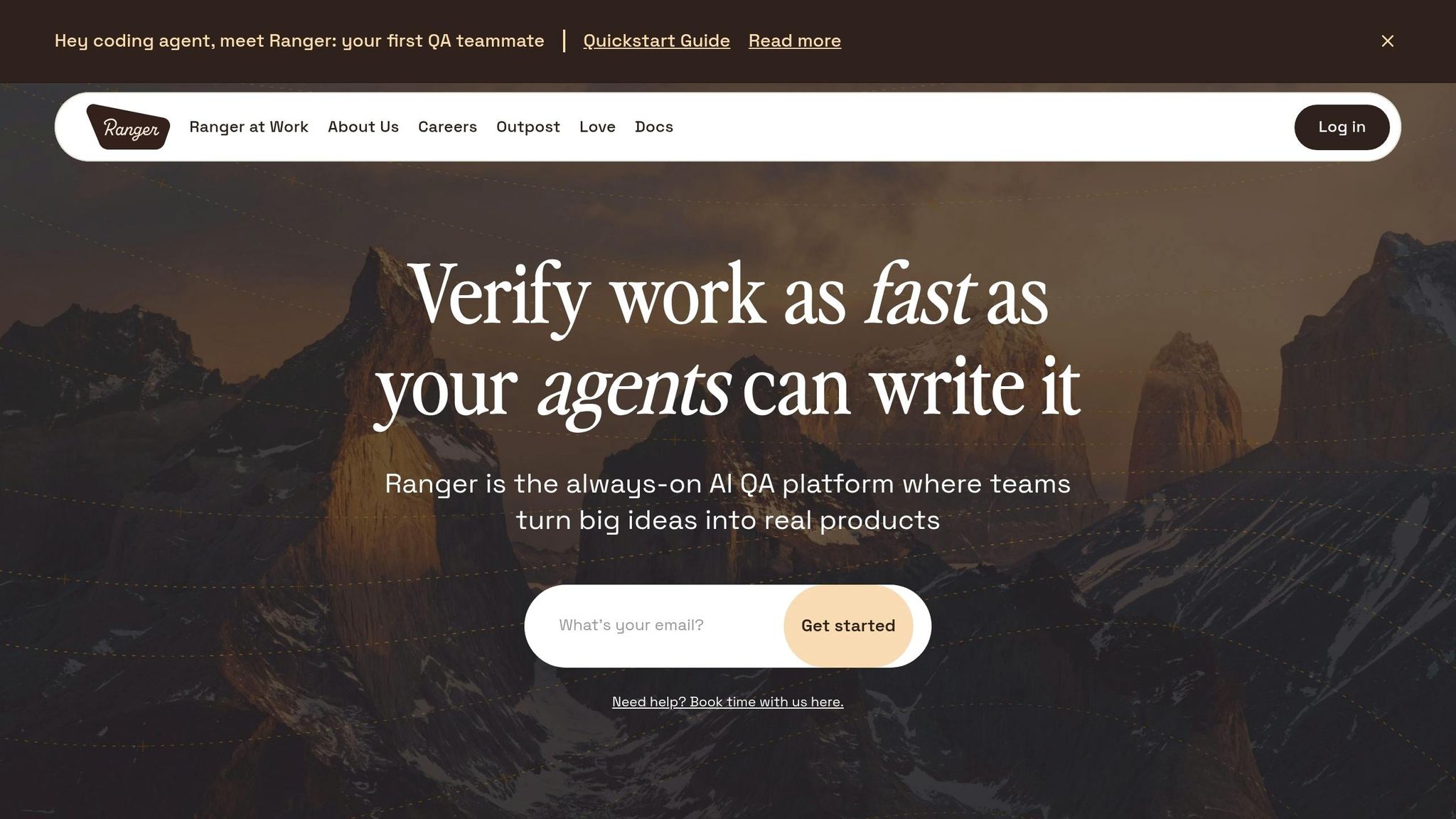
Ranger is a platform designed to help QA teams cut costs by automating the creation and maintenance of end-to-end tests using AI agents. By hosting the test infrastructure and offering scalable capacity, Ranger eliminates the need for teams to manage their own test environments. This approach reduces labor costs associated with manual scripting and eliminates the cloud resource waste caused by idle infrastructure.
The platform’s integration with tools like Slack and GitHub ensures that testing signals are embedded into workflows teams already rely on. This connectivity helps preserve the reasoning behind costly deployments, preventing teams from forgetting the rationale by the time billing cycles catch up.
Ranger also provides real-time testing signals and automated triaging, enabling teams to catch issues early and avoid expensive production deployments. One expert highlights the risks of ignoring cost considerations in CI/CD pipelines, noting that unchecked feature branches can trigger production deployments, leading to cloud bills that spike by as much as 240% month-over-month.
Once testing automation is in place, the next logical step is incorporating cost metrics directly into development pipelines, providing immediate financial feedback.
Integrating FinOps Tools into QA Pipelines
Embedding cost metrics into CI/CD pipelines allows teams to gauge the financial impact of code changes before they hit production. Advanced cloud cost management tools can automate feedback loops, offering cost estimates for infrastructure changes - such as Terraform plans or Kubernetes manifests - before deployment is finalized.
Budget guardrails can also be implemented to flag increases in service-level spending that exceed predefined thresholds (e.g., a 20% rise), prompting reviews to ensure any cost increases are intentional. By linking these cost changes to specific pipeline runs and commits, teams can achieve granular attribution, making it easier for technical and finance teams to collaborate. These tools not only improve testing efficiency but also strengthen the financial controls essential to a FinOps approach, enhancing real-time monitoring and enabling proactive cost adjustments during both the Operate and Optimize phases.
"Cost awareness in CI/CD pipelines isn't about slowing teams down. It's about avoiding financial surprises that lead to tense finance meetings and urgent cost-cutting exercises."
– Kelsey Rosen, FinOps Leader
Organizations that adopt these practices often report cost reductions of 20–30% without compromising performance. For example, automating the management of specific cloud workloads, such as logging, can result in savings of over $140,000.
Key Takeaways for QA Teams Using FinOps
FinOps transforms QA expenses into smart investments. The 1:10:100 Rule demonstrates this clearly: fixing bugs during development is cheap, addressing them in QA is manageable, but resolving them in production can be outrageously expensive. By adopting FinOps practices, QA teams go beyond just monitoring costs - they actively help avoid skyrocketing expenses later.
The benefits of this approach are measurable. For instance, organizations that implement FinOps often see 20–35% reductions in monthly cloud spending within the first year. Additionally, optimizing test infrastructure can cut costs by 30–50% without sacrificing performance. Simple strategies like automating after-hours shutdowns, using Spot instances in CI/CD pipelines to save 70–90% compared to on-demand pricing, and enforcing strict tagging policies to reduce idle resource waste by up to 30% can make a big difference.
"What if we started looking at Quality not as a cost, but as a financial safeguard?" - Richa Pandey, Senior SDET
To bring this vision to life, collaboration is key. QA, engineering, and finance teams need to work together with real-time insights into testing costs. Tools like Ranger, which automate test environments, help streamline cost management by reducing manual effort and eliminating waste from idle resources. Adding cost metrics to CI/CD pipelines allows teams to spot oversized resources early, preventing the Context Switch Tax, where senior developers are pulled away from revenue-driving tasks to fix production issues.
A practical step for QA teams is to schedule weekly 30-minute cost reviews for leads to identify spending spikes and find optimization opportunities. Tracking metrics like cost per test run also helps measure the return on investment (ROI) of QA efforts by using a test coverage calculator. The goal? Maximize ROI while maintaining high standards, ensuring production failures - and their hefty price tags - are kept at bay.
FAQs
What should QA teams tag first to track cloud spend accurately?
To keep tabs on cloud spending, QA teams should use tags like Owner, Project, and Environment when labeling resources. These tags tie costs to the right teams or projects, making accountability crystal clear.
To make sure tagging stays consistent across all environments, tools like infrastructure as code (IaC) can be a big help. They can enforce policies that stop untagged resources from being created, leading to better cost tracking and smarter expense management.
How do we reduce QA environment costs without slowing releases?
To reduce QA environment costs without slowing down release cycles, leverage AI-driven resource allocation. This approach helps prioritize the most relevant tests, saving both time and money while keeping up the pace.
Be proactive in managing test environments by shutting down idle resources, avoiding unnecessary instances, and ensuring everything runs consistently. On top of that, consider adopting cost-aware CI/CD practices. These include setting up automated cost feedback loops and budget guardrails to optimize resource usage and avoid surprise expenses.
Which QA workloads should use Savings Plans or Spot Instances?
Spot Instances work best for QA workloads that need to be interruption-tolerant, adaptable, or capable of handling unexpected pauses. On the other hand, Savings Plans or Reserved Instances are more suitable for steady and predictable workloads, offering better cost management. Select the option that fits your workload's reliability requirements and budget considerations.
Related Blog Posts
Stop babysitting your coding agents. Use Ranger
%201%20(1).svg)
More signals, less noise, faster launches
Let Ranger be your guide to sustainable QA testing.

.png)