%201.svg)
5 Tips for Securing Hybrid Cloud QA Systems

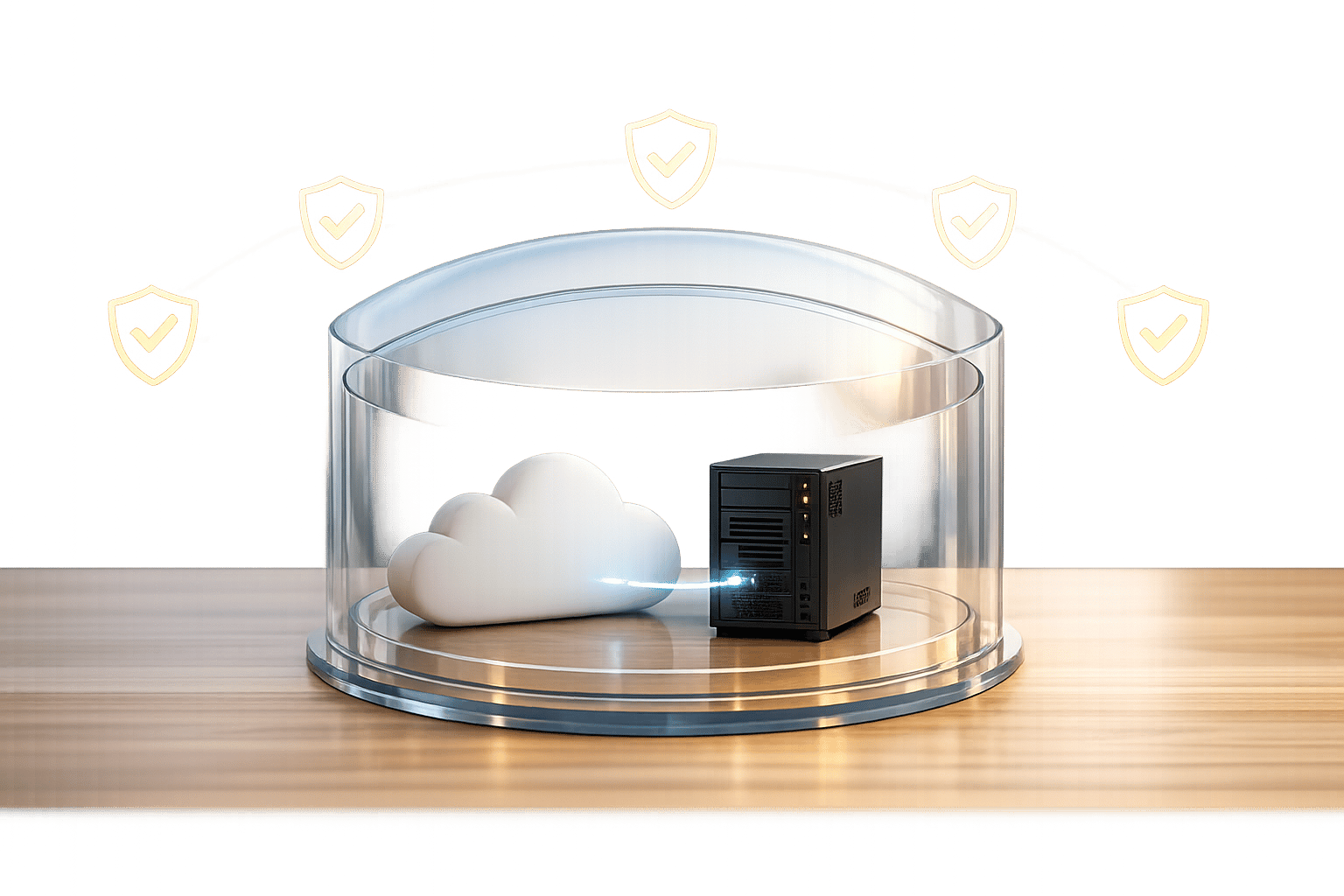
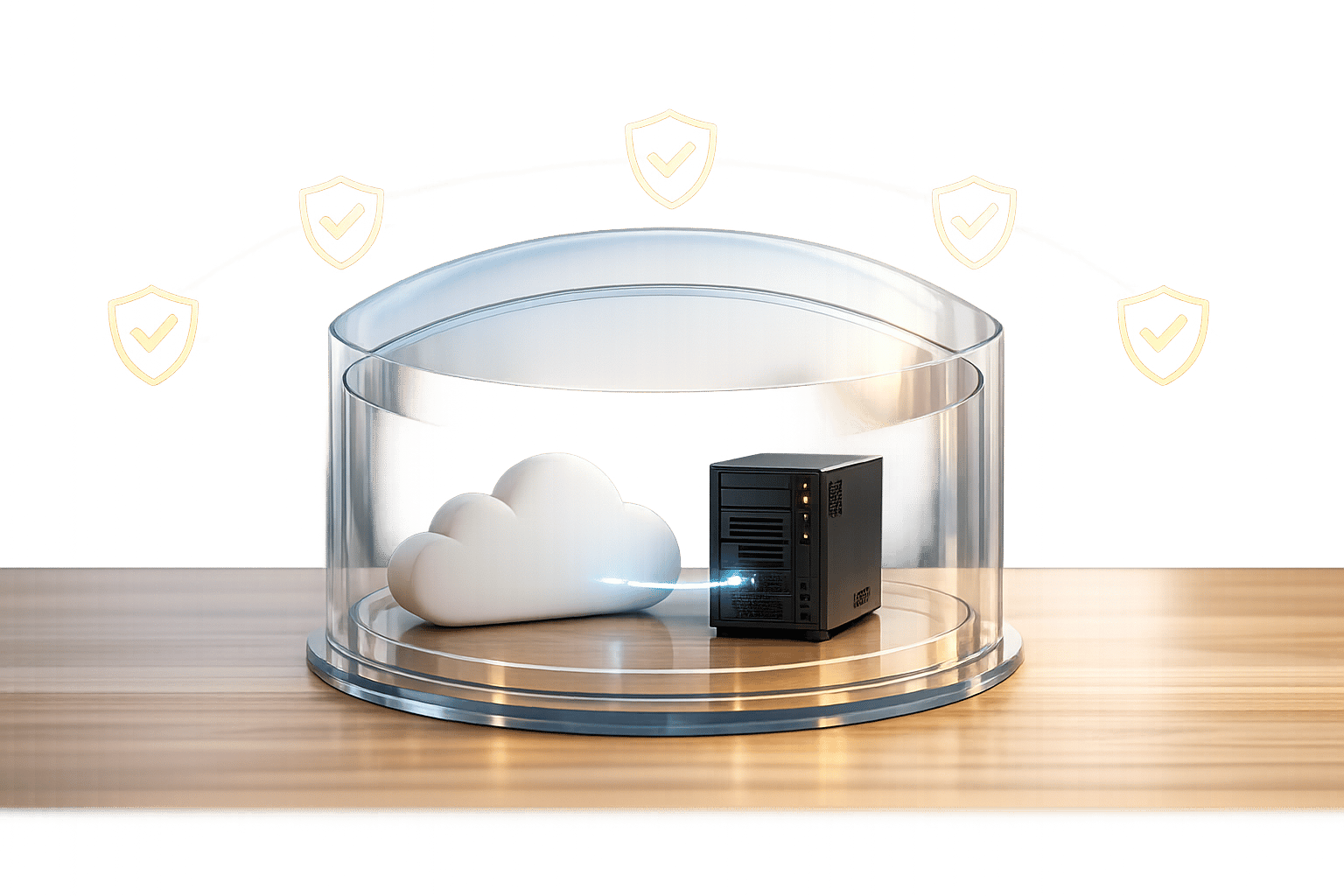
Hybrid cloud QA systems combine private and public cloud environments to enable scalable testing while ensuring end-to-end security in cloud QA testing. However, this setup introduces security challenges, including misconfigurations, inconsistent controls, and an expanded attack surface. To mitigate these risks, here are five key strategies:
- Adopt a Zero Trust model: Verify every user, device, and workload before granting access.
- Encrypt data at all stages: Use AES-256 for data at rest, TLS for data in transit, and tools like data masking for sensitive information.
- Enforce strict access controls: Implement role-based and attribute-based access control, along with just-in-time permissions.
- Continuously monitor systems: Use centralized dashboards and AI-powered tools to detect vulnerabilities and threats in real time.
- Apply consistent security policies: Standardize access controls, encryption, and compliance frameworks across all environments.
These steps ensure robust security for hybrid cloud QA systems, protecting sensitive data and meeting compliance requirements.

5 Essential Strategies for Securing Hybrid Cloud QA Systems
Zero Trust in the Cloud: Strengthening Access Across Hybrid Environments
sbb-itb-7ae2cb2
1. Use a Zero Trust Security Model
The Zero Trust model operates on a simple yet powerful idea: nothing is trusted until it’s verified. Whether it’s a user, device, or workload, everything must prove its legitimacy. Tim Tipton, Principal Security Architect at Arctiq, explains it best:
"Zero-trust architecture is more than a buzzword, it is a necessary response to the dissolution of network perimeters and the rise of sophisticated, AI‑driven attacks".
This model is especially important for hybrid cloud QA systems, where 28% of unauthorized cloud access stems from compromised credentials. Zero Trust touches every aspect of security - access control, data protection, compliance, and threat detection.
Access Control
At the heart of Zero Trust is strict identity verification. Tools like multi-factor authentication (MFA), role-based access controls, and just-in-time (JIT) provisioning ensure that users and systems only access what’s necessary - and only for as long as needed. For QA teams, this means testers and automated tools interact solely with the resources required for their tasks. Using a test case generator can help teams quickly define these specific resource requirements for each scenario.
Following the least privilege principle is key. Each user or service gets the bare minimum access needed to complete their work. To further reduce risk, use workload-specific identities instead of shared credentials, which are more prone to theft.
Data Protection
Zero Trust safeguards QA data by using micro-segmentation. This technique divides workloads into isolated zones - like Kubernetes pods or containers - each with its own security policies. If a breach occurs, this setup limits the attacker’s ability to move laterally, which is critical given that 83% of organizations report at least one insider attack annually.
Additionally, data should always be classified, labeled, and encrypted. Use AES for data at rest, TLS for data in transit, and ensure encryption even while data is actively in use.
Compliance Adherence
Regulatory requirements are increasingly aligned with Zero Trust principles. For instance, U.S. federal policy (OMB Memorandum M-22-09) mandates Zero Trust goals, which impact procurement decisions in both public and private sectors. Organizations managing sensitive data, like healthcare or financial information, benefit from streamlined audit processes under this model.
Using Infrastructure as Code (IaC) for automated compliance checks can embed security policies directly into your systems. This ensures consistent enforcement across both cloud and on-premises environments.
Threat Detection
Real-time monitoring is a cornerstone of Zero Trust. Every session is continuously evaluated for unusual behavior, such as irregular access patterns or compromised devices. This is especially critical in hybrid QA environments, where 67% of organizations cite network blind spots as a major challenge.
A unified observability platform can centralize visibility across on-premises and cloud environments. This allows for faster detection and response to threats, helping prevent small issues from escalating into major breaches.
2. Encrypt Data in Transit and at Rest
Encryption plays a critical role in safeguarding data within hybrid cloud QA systems. Data typically exists in three states: at rest (stored), in transit (moving between systems), and in use (actively being processed). Each state demands its own layer of protection.
Data Protection
Encryption complements a Zero Trust approach by securing data across all stages. In QA environments, data masking and tokenization are particularly important. These methods allow testers to work with realistic datasets while ensuring sensitive information remains hidden. For instance, data masking replaces actual customer details with fictional values while maintaining the structure of the data.
The connection points between on-premises infrastructure and cloud systems are especially vulnerable to attacks like Man-in-the-Middle. To secure these points, use Virtual Private Networks (VPNs) or dedicated interconnects such as AWS Direct Connect or Azure ExpressRoute. When storing data in the cloud, take advantage of built-in encryption options like server-side encryption (SSE) or client-side encryption.
| Encryption State | What It Protects | Recommended Technologies |
|---|---|---|
| At Rest | On-prem servers, cloud storage, QA databases | AES-256, SSE, Client-side encryption |
| In Transit | Hybrid links, inter-cloud traffic, API calls | TLS, VPNs, AWS Direct Connect, Azure ExpressRoute |
| In Use | Active processing during test execution | Confidential computing, Data masking, Tokenization |
Access Control
To strengthen encryption measures, centralized key management is essential. By integrating key management with Identity and Access Management (IAM), you can ensure only authorized users or services access decryption keys. Techniques like envelope encryption, which wraps individual data keys with a master key stored in a hardware security module (HSM), add another layer of security. Avoid embedding static keys in code; instead, retrieve credentials at runtime from external tools like HashiCorp Vault or AWS Secrets Manager.
Compliance Adherence
Encryption also helps meet regulatory standards like GDPR, HIPAA, and PCI-DSS, ensuring secure data workflows in hybrid QA systems. Compliance automation platforms can map encryption controls to frameworks across hundreds of regulatory requirements, cutting audit costs and reducing manual work by up to 50%. As Ayman Elsawah, vCISO at Sprinto, explains:
"Security is always going to cost you more if you delay things and try to do it later. The cost is not only from the money perspective but also from time and resource perspective".
Threat Detection
Monitoring encryption logs and access to key management systems is vital for identifying unauthorized attempts to access sensitive data. Regularly update VPN gateways and TLS libraries to close off vulnerabilities. By connecting encryption and IAM logs to Security Information and Event Management (SIEM) tools, you can detect suspicious activity in real time.
Once encryption is in place, focus on access control to further protect your hybrid QA systems.
3. Set Up Strict Access Controls
Access Control
Access controls determine who can access your QA systems and what they can do once inside. In hybrid cloud environments, this gets tricky because users, devices, and applications operate across both on-premises and cloud infrastructures. A good starting point is Role-Based Access Control (RBAC), which groups users by job roles - like QA Analyst or DevOps Engineer - and assigns permissions based on those roles. This avoids the chaos of managing individual access rights, which can lead to inconsistent security practices.
In hybrid QA setups, where on-premises and cloud systems intersect, access management becomes even more critical. Attribute-Based Access Control (ABAC) takes it a step further by evaluating real-time factors - like device health, location, and time - before granting access. For example, if a QA tester logs in from an unusual location at 2:00 a.m., the system might prompt an extra verification step. Meanwhile, Just-In-Time (JIT) access provides temporary, time-limited permissions for specific tasks, reducing the risks tied to long-standing privileged accounts. As Gabriel L. Manor, Full-Stack Software Technical Leader, aptly puts it:
"Identity and Access Management (IAM)... serves as the gatekeeper of hybrid cloud environments."
These access control strategies are essential for safeguarding sensitive data.
Data Protection
Strict access controls also protect sensitive data by enforcing permissions across hybrid environments. For instance, a developer might have the ability to manage virtual machine schedules, while QA team members are limited to view-only access. This separation minimizes the risk of accidental changes. Segregation of Duties (SoD) adds another layer of security by dividing high-risk tasks among multiple people. For example, any schedule changes made by an engineer might require managerial approval before taking effect.
Compliance Adherence
Access control systems also help meet regulatory requirements. By maintaining version control for IAM configurations and using centralized logging, organizations create an auditable trail that aligns with standards like SOX, HIPAA, and PCI DSS. Regular access reviews - typically every 6 to 12 months for standard users and quarterly for high-risk accounts - prevent "permission creep", where users gradually accumulate unnecessary privileges over time.
While compliance is crucial, centralized monitoring is equally important for spotting potential threats early.
Threat Detection
Centralized monitoring of access logs provides an effective way to detect anomalies, such as failed login attempts or access from unusual locations. Using sidecar proxies alongside QA applications ensures that authorization checks continue seamlessly, even if the central server connection is disrupted. Keeping detailed logs of all access control decisions allows for quick investigations, helping identify and mitigate suspicious activity before it escalates into a breach.
4. Monitor Systems and Detect Threats Continuously
Threat Detection
Continuous monitoring is a critical layer of defense for hybrid QA systems, where multiple entry points create opportunities for attackers. Real-time visibility is essential because even small security gaps can escalate into significant incidents. In fact, 67% of organizations identify network blind spots as a major challenge for data protection. To address this, consider implementing a centralized dashboard - often referred to as a "single pane of glass" - that consolidates telemetry data from both on-premises and cloud environments. This unified view eliminates the fragmented oversight caused by managing separate monitoring tools, allowing for proactive threat detection and response.
A practical example comes from 2018, when a multinational bank used Qualys Cloud Agents to conduct continuous vulnerability scanning in its AWS environments. This approach significantly reduced severe vulnerabilities in the bank's consumer mobile wallet project. Dave Shackleford, an analyst and instructor at the SANS Institute, emphasizes:
"If you're looking at cloud workloads as these enormously dynamic, ever changing, environments, you've got to bake in a vulnerability management strategy from the definition of the environment in a completely automated way."
Data Protection
Monitoring tools also play a key role in safeguarding data by identifying misconfigurations before they can be exploited. Key indicators to watch include unusual user logins, large-scale data exports, changes to approved system images, and unauthorized access to encryption keys. Deploy host-based agents on virtual machines and cloud instances to perform continuous vulnerability scans, reporting anomalies back to a central management server. In dynamic cloud environments, lightweight agents provide critical visibility without adding unnecessary overhead.
AI-powered analytics are particularly effective at processing massive log files to detect insider threats or sophisticated attacks. Automated tools can also instantly remediate risky configurations, such as open S3 buckets, as soon as they are identified.
Compliance Adherence
Continuous monitoring doesn’t just mitigate immediate risks - it simplifies compliance management as well. By maintaining real-time alignment with regulations like HIPAA, GDPR, and NIST, monitoring tools create audit-ready documentation on demand. Security Information and Event Management (SIEM) and Security Orchestration, Automation, and Response (SOAR) systems can further automate responses to security events, ensuring compliance checks occur continuously rather than during periodic audits. This reduces the likelihood of regulatory violations going unnoticed.
Additionally, Infrastructure as Code (IaC) can embed compliance requirements directly into your infrastructure. This enables automated policy enforcement and ongoing verification of compliance, which is particularly useful in QA environments where configurations change frequently and manual checks are impractical.
5. Apply Consistent Security Policies Across All Environments
Access Control
Inconsistent access controls between on-premises and cloud environments can open the door to multiple attack vectors. The fix? Implement a unified Identity and Access Management (IAM) system that enforces a single set of policies, such as multi-factor authentication (MFA) and role-based access control (RBAC). As Gartner puts it:
"Hybrid and multi-cloud environments require security leaders to adopt tools and processes that work consistently across providers and infrastructure types to reduce risk and enable agility."
One practical method is Identity Infrastructure as Code (IIaC). This approach allows you to define IAM configurations - like roles, permissions, and policies - as version-controlled code. It reduces the chance of manual mistakes and ensures that all environments automatically follow the same access rules. A unified policy framework also ensures consistent protection of sensitive data.
Data Protection
Standardized access controls naturally extend to data protection. For example, use AES-256 encryption for data at rest and TLS 1.3 for data in transit. To make this process easier, create a data classification matrix to categorize information as public, internal, confidential, or regulated. When developers know the classification, they can follow pre-defined policies to select the right storage and compute paths automatically.
Michael Carter, Senior Cloud Security Editor, highlights the importance of this approach:
"The best hybrid architecture is the one that makes the compliance decision obvious at the design stage rather than forcing people to reinterpret policies at runtime."
By simplifying compliance through consistent data policies, you not only reinforce security but also streamline operations.
Compliance Adherence
Staying compliant across hybrid environments becomes far easier when policies are enforced automatically. Many security platforms can map your hybrid infrastructure to over 185 built-in compliance frameworks, including ISO 27001, SOC 2, PCI-DSS, NIST, GDPR, and HIPAA. Tools like Policy-as-Code (using Rego or Cedar) help by embedding security policies directly into your CI/CD pipelines. This ensures that infrastructure-as-code plans are validated against security baselines before deployment, making compliance a proactive step.
Store policy evaluations and vulnerability scan results in immutable storage to create audit-ready documentation. This eliminates the last-minute rush when regulators request proof of compliance.
Threat Detection
Fragmented systems can slow down threat detection. To avoid this, centralize logging and monitoring by combining telemetry from both on-premises and cloud systems into a single SIEM platform. This "single pane of glass" approach helps eliminate blind spots and provides real-time threat detection across your entire infrastructure.
Additionally, consistent segmentation policies can limit lateral movement and contain breaches. Use automated tools to continuously monitor for configuration drift, flagging any deviations from your established security baselines immediately.
Conclusion
Hybrid cloud QA systems offer flexibility in testing but come with their own set of security challenges. For example, 67% of organizations report difficulties with network blind spots, and even a single misconfiguration can put sensitive data at risk.
Chris Carlson, Vice President of Product Management at Qualys, emphasizes the importance of proactive security:
"Digital transformation is being powered by IT innovation, and security can't be an afterthought. We need to bake security into this new infrastructure".
This highlights the need to embed security measures into every stage of the QA process.
To strengthen security in hybrid cloud QA systems, teams can focus on several key practices:
- Adopt Zero Trust principles, ensuring access is restricted to only those who need it.
- Use strong encryption standards to protect data at rest and in transit.
- Implement least-privilege access for all QA operations.
- Close network blind spots through continuous monitoring and automate compliance checks with Infrastructure as Code to minimize human error.
For teams aiming to balance efficiency with security, Ranger provides a solution. This AI-powered testing platform, enhanced with human oversight, integrates with tools like Slack and GitHub. It automates test creation and maintenance while maintaining strong security controls, enabling a shift-left security approach without slowing down development.
The importance of securing hybrid cloud QA systems is underscored by the growing market - projected to reach $430.12 billion by 2030. With 80% of companies already embracing hybrid cloud, protecting these systems ensures compliance, business continuity, customer trust, and a competitive edge.
FAQs
What’s the first step to implement Zero Trust in a hybrid QA setup?
To tackle the security challenges in hybrid cloud environments, it's essential to first pinpoint the specific issues. These often include inconsistent controls, misconfigurations, and expanded attack surfaces that come with integrating different systems. The solution? Build your security approach around the Zero Trust framework. This involves verifying every user, device, and connection before granting access. By doing so, you enable strict access controls and ensure continuous verification within your hybrid QA system.
How do I protect test data without using real customer info?
To protect test data and avoid exposing real customer information, data anonymization techniques are essential. These methods convert sensitive data into anonymous forms, ensuring it remains useful for testing while safeguarding privacy. By doing this, organizations can reduce the risk of data breaches and comply with regulations, all while maintaining secure and realistic testing environments.
Which logs and alerts matter most for spotting hybrid cloud QA threats?
Logs and alerts related to identity compromise, unusual API activity, misconfigurations, and access anomalies play a key role in spotting hybrid cloud QA threats. These signals are crucial for identifying unauthorized access and possible security breaches, helping teams stay ahead of threats and safeguard systems effectively.
Related Blog Posts
Stop babysitting your coding agents. Use Ranger
%201%20(1).svg)
More signals, less noise, faster launches
Let Ranger be your guide to sustainable QA testing.

.png)