%201.svg)
Code Quality Score Calculator for Developers

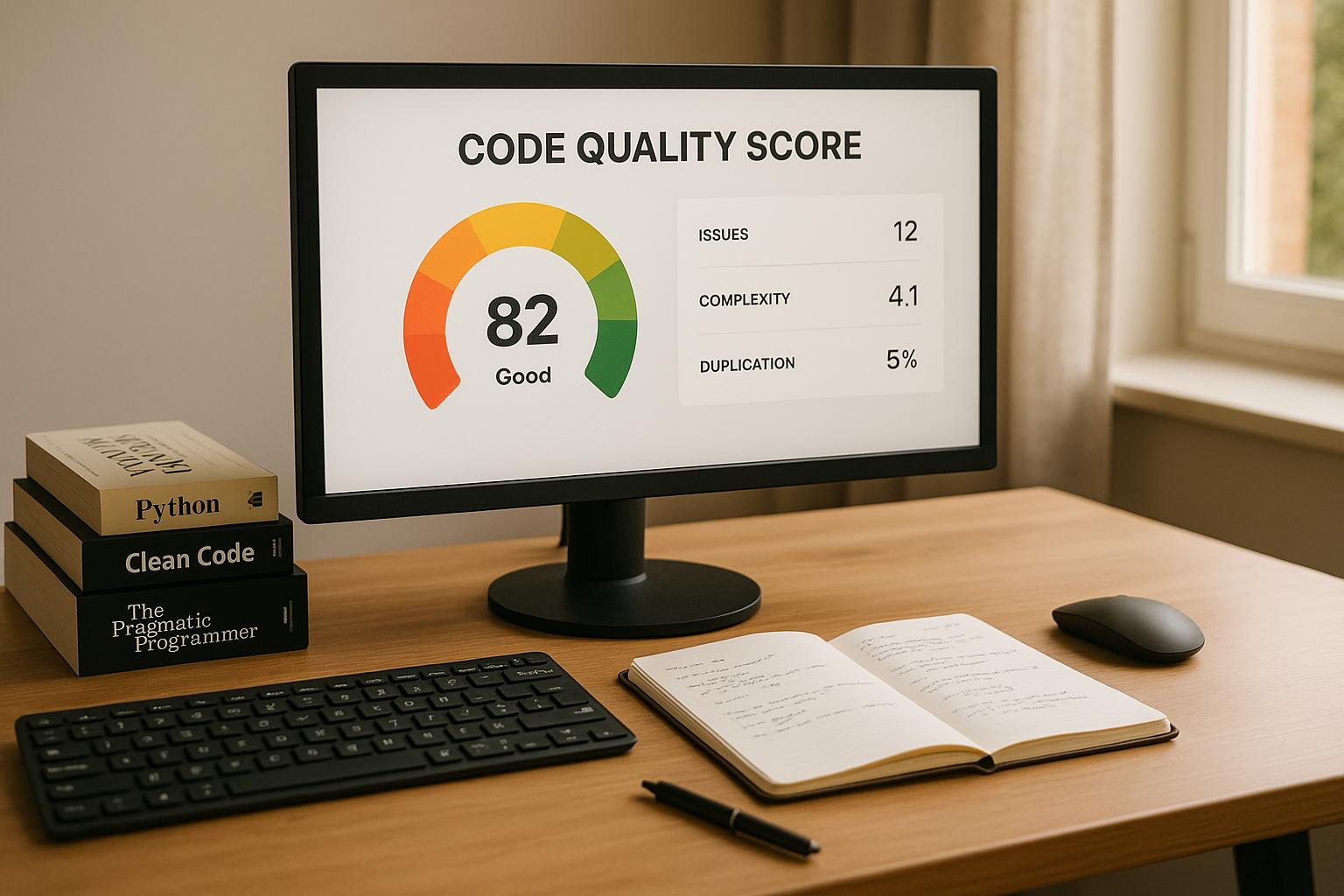
Improve Your Development with a Code Quality Score Calculator
In the fast-paced world of software development, maintaining a high standard for your codebase is crucial. A reliable way to assess this is by using a tool that evaluates the health of your project through key metrics. Whether you're a solo coder or part of a larger team, understanding where your code stands can save you from future bugs and technical debt.
Why Code Health Matters
Think of your codebase as the foundation of your application. If it’s shaky, everything built on top is at risk. By analyzing factors like test coverage, complexity, and duplication, you gain insight into potential weak spots. A tool designed for this purpose offers a clear, numerical score to guide your next steps. It’s like a report card for your project, highlighting strengths and areas that need a little extra attention.
Taking Action on Insights
Once you have a benchmark, improving becomes much easier. Maybe you’ll focus on writing more tests or simplifying intricate logic. Whatever the case, regularly checking your software’s quality ensures you’re always moving forward. For developers serious about their craft, this kind of feedback is invaluable—it’s a practical step toward building robust, lasting applications.
FAQs
What metrics does this tool evaluate for code quality?
Our calculator looks at several key factors: lines of code (to gauge size), number of comments (for readability), cyclomatic complexity (how complicated your logic is), code duplication percentage (repeated code can be a red flag), and test coverage percentage (how much of your code is tested). Each metric gets a weight in the final score, so you’ll see where you’re strong and where there’s room to improve.
How is the code quality score calculated?
We use a weighted formula that balances all the inputs you provide. High test coverage and low complexity boost your score, while things like heavy duplication drag it down. The result is a number between 0 and 100, with a detailed breakdown so you can see exactly how each piece contributes. It’s not just a random guess—it’s a thoughtful way to measure quality.
What if my score is low? Can I improve it?
Absolutely! If your score is below 70, we’ll give you specific tips based on your metrics. Maybe you need more tests to bump up coverage, or it’s time to refactor some complex logic. Small changes can make a big difference, and you can keep using the tool to track your progress over time. We’re here to help you build better code!
Stop babysitting your coding agents. Use Ranger
%201%20(1).svg)
More signals, less noise, faster launches
Let Ranger be your guide to sustainable QA testing.

.png)