%201.svg)
Bug Detection Probability Estimator

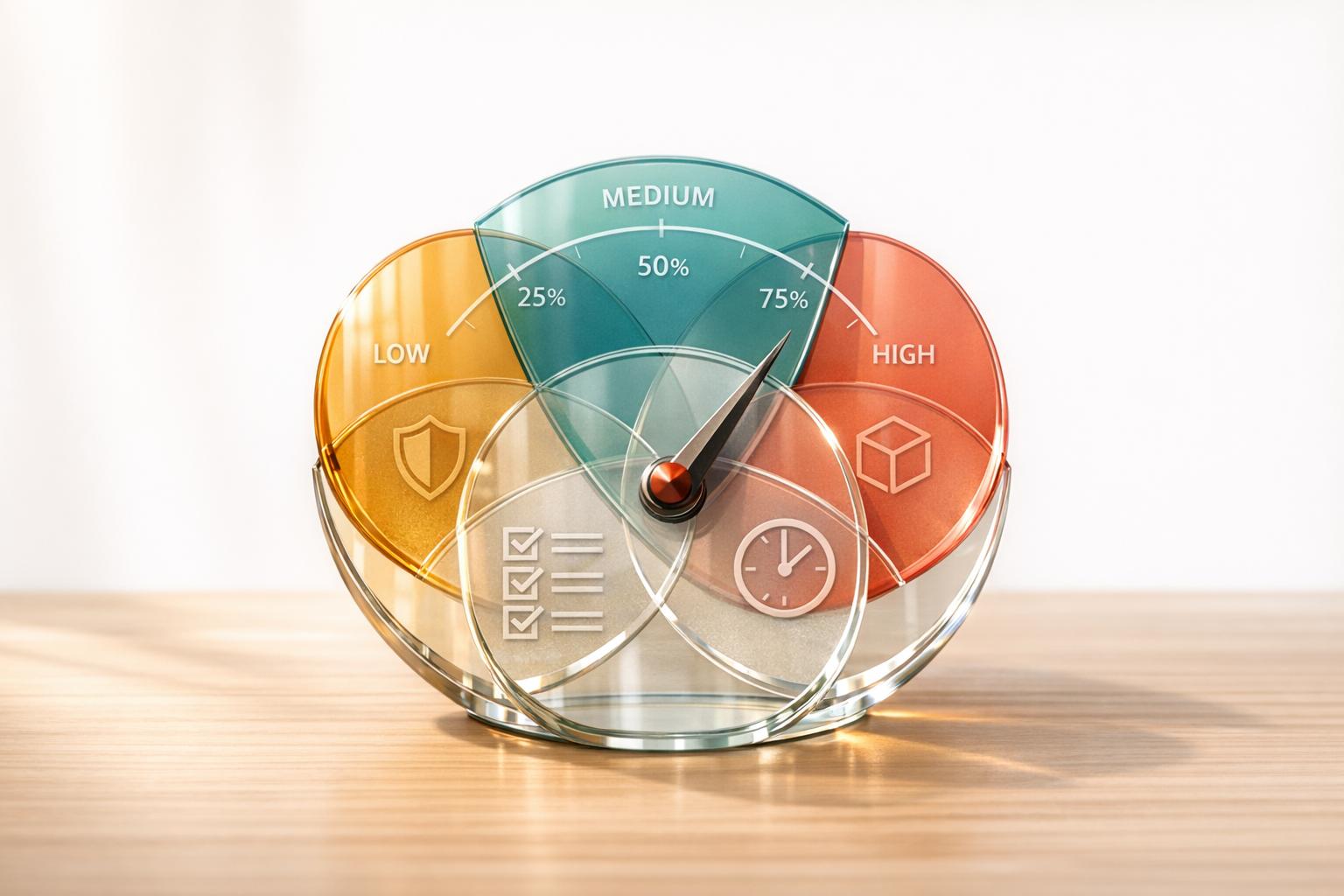
Boost Your QA Process with a Bug Detection Probability Estimator
In the fast-paced world of software development, quality assurance teams face the constant challenge of identifying issues before they reach users. A reliable way to predict the likelihood of spotting defects can transform how you approach testing. That’s where a tool designed to estimate bug detection chances comes in handy, offering data-driven insights to streamline your workflow.
Why Prediction Tools Matter
Testing isn’t just about running scripts; it’s about knowing where to focus your energy. By factoring in variables like test coverage, team expertise, code intricacy, and environment reliability, you can get a clearer sense of potential outcomes. This kind of foresight helps QA professionals allocate time and resources more effectively, ensuring critical areas aren’t overlooked. Plus, it builds confidence in your process by grounding decisions in measurable inputs.
Elevate Your Testing Game
Whether you’re debugging a complex application or polishing a simple feature, understanding your odds of catching errors is invaluable. Tools that assess testing effectiveness empower teams to work smarter, not harder. Integrate this approach into your routine, and watch as your software quality improves with every release. Ready to take control of your QA strategy? Try it today!
FAQs
How does this tool calculate bug detection probability?
Great question! The tool starts with a base score derived from your test coverage percentage, multiplying it by 0.5. Then, it adjusts the score based on factors like tester experience—adding 10 points for Expert, 5 for Intermediate, and 0 for Beginner. Code complexity and environment stability also play a role, with bonuses or penalties applied accordingly. The final result is a percentage between 0 and 100, rounded to one decimal place, giving you a clear picture of your bug detection odds.
Can I trust the results of this estimator for critical projects?
Absolutely, though it’s worth noting this tool provides an estimate, not a guarantee. It’s built on logical modifiers that reflect real-world testing dynamics, like how experienced testers often spot more issues or how unstable environments can hinder detection. Use it as a guide to inform your strategy, but always pair it with hands-on testing and domain expertise for mission-critical work. Think of it as a helpful starting point!
What if I enter invalid data, like a test coverage over 100?
No worries—we’ve got you covered. The tool includes input validation to catch errors like numbers outside the 0-100 range for test coverage or missing dropdown selections. If something’s off, you’ll see a friendly error message prompting you to fix it before calculating. This ensures the results are meaningful and based on realistic inputs. Just double-check your entries, and you’ll be good to go!
Stop babysitting your coding agents. Use Ranger
%201%20(1).svg)
More signals, less noise, faster launches
Let Ranger be your guide to sustainable QA testing.

.png)